Find it hard to read the whole blogpost? Why don’t you listen it!!
Do you find yourself reaching for a tissue every time you settle down on your couch? That persistent sniffle, sneeze, or unexplained itch might not be just seasonal allergies. Your comfortable sofa, the centerpiece of your living room, could be the hidden source of your discomfort. Upholstered furniture is a prime suspect for harboring allergens, leading to a range of unpleasant sofa allergy symptoms.
Understanding what to look for is the first step toward reclaiming your living space and your health. Many people overlook their furniture as one of the primary dust allergy triggers in the living room. This guide will walk you through seven clear warning signs that your sofa is the culprit behind your allergic reactions. We will explore everything from common symptoms to effective solutions, including the benefits of a professional anti-allergen sofa treatment UAE residents can rely on.
Sofa Allergy Symptoms:
1. Unexplained and Persistent Sneezing or a Runny Nose
One of the most common signs of an indoor allergy is a reaction that mimics a cold you just can’t shake. If you start sneezing uncontrollably or your nose starts running shortly after sitting on your sofa, it’s a major red flag. This isn’t a coincidence; it’s a classic example of sofa allergy symptoms.
Your sofa’s fabric acts like a giant filter, trapping airborne particles that float through your home. These particles include dust, pollen, pet dander, and mold spores. Every time you sit down, you disturb these settled allergens, sending them back into the air where you can easily inhale them. This constant exposure is one of the most significant dust allergy triggers in the living room. If your “cold” seems to improve when you spend less time in your living area, your sofa is the likely cause. Recognizing these specific sofa allergy symptoms is crucial for identifying the root of the problem.
2. Itchy Eyes, Skin Rashes, and Irritation
Are you constantly rubbing your eyes or scratching at your arms and legs while watching TV? Direct contact with allergens embedded in your sofa fabric can lead to contact dermatitis, causing uncomfortable itchy eyes and skin rashes. This is a very direct and telling sign among sofa allergy symptoms.
Certain chemicals used in furniture manufacturing and fire retardants can cause skin irritation in sensitive individuals. However, the more common culprits are dust mites. These microscopic creatures thrive in the warm, fibrous environment of a sofa, feeding on dead skin cells. Their waste products are potent allergens that can cause intense itching and red, blotchy skin. If you notice these symptoms flaring up after lounging on the couch, it’s time to investigate further. Ignoring these skin-related sofa allergy symptoms can lead to chronic discomfort. You may need to consider an anti-allergen sofa treatment UAE service to eliminate these microscopic pests.
3. Worsening Asthma or Breathing Difficulties
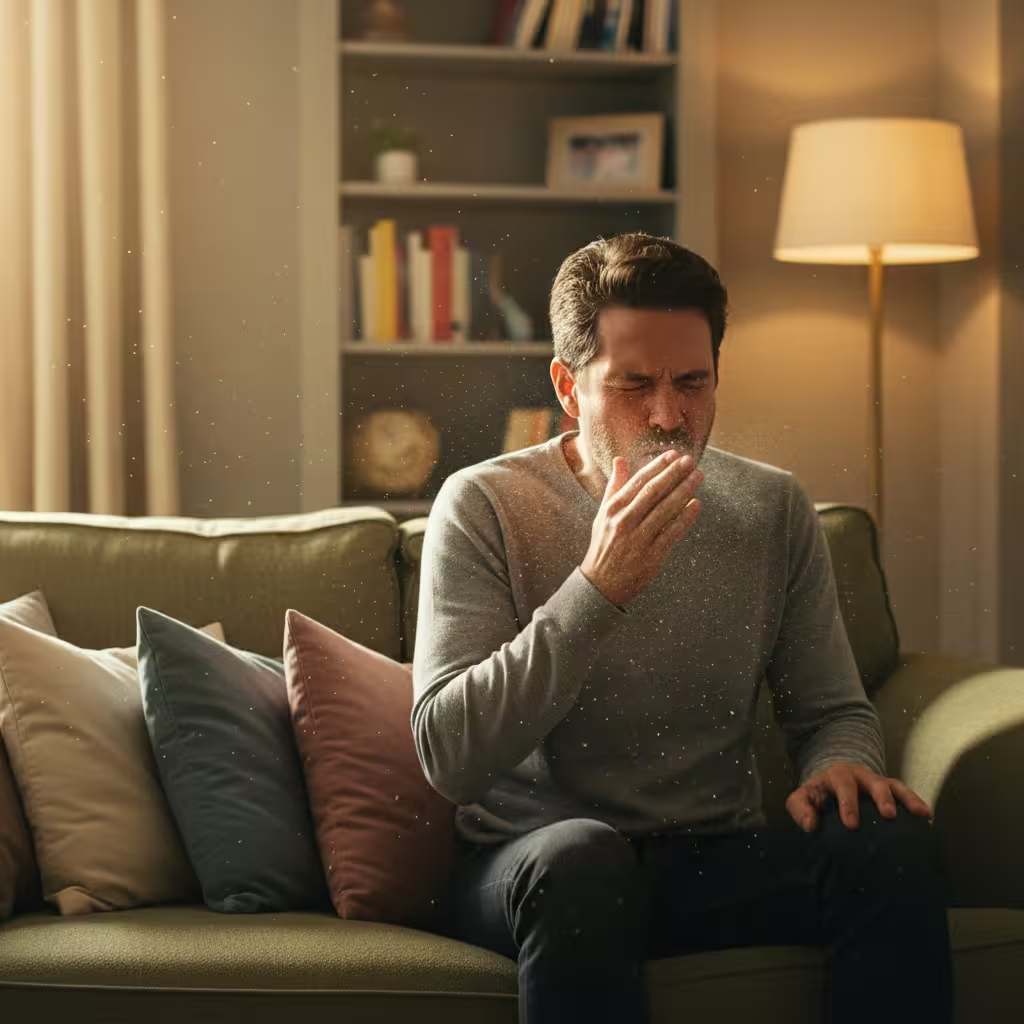
For individuals with asthma, a compromised indoor environment can be dangerous. If you or a family member experience increased wheezing, shortness of breath, or chest tightness while relaxing in the living room, your sofa could be a serious health hazard. Allergens like dust mite feces, mold spores, and pet dander are well-known asthma triggers.
These particles are small enough to be inhaled deep into the lungs, causing inflammation and constricting the airways. This is more than just a simple case of sofa allergy symptoms; it’s a significant health risk. The presence of these dust allergy triggers in the living room can turn a place of relaxation into a source of respiratory distress. Furthermore, poor indoor air quality is often linked to AC filter contamination, which can circulate these allergens even more efficiently throughout your home.
4. A Musty or Damp Odor Coming From the Sofa
Your sense of smell can be a powerful diagnostic tool. If you detect a persistent musty, moldy, or damp odor emanating from your sofa, it’s a clear indication that mold or mildew has taken root within its cushions and frame. This often happens after a spill isn’t cleaned properly or in homes with high humidity, a common issue in the UAE.
Mold releases spores into the air, which are potent allergens and one of the more serious dust allergy triggers in the living room. Inhaling these spores can lead to a host of respiratory sofa allergy symptoms, including coughing, sneezing, and throat irritation. This problem requires immediate attention, as mold can spread and worsen over time. A standard cleaning won’t be enough; you’ll need a specialized anti-allergen sofa treatment UAE solution to properly neutralize the mold and prevent its return.
5. Visible Dust Clouds and Poor Air Quality
Have you ever plumped a cushion and seen a small puff of dust float into a sunbeam? While a little dust is normal, visible clouds of it are a sign of a much larger problem. This indicates that your sofa is oversaturated with dust, dander, and other debris. This is one of the most obvious dust allergy triggers in the living room.
This accumulation directly impacts your home’s air quality. The fine particulate matter, including PM2.5, becomes airborne with the slightest movement. Continuous inhalation of these particles can lead to chronic respiratory issues and severe sofa allergy symptoms. If the air in your living room feels heavy or you find yourself dusting surfaces more frequently than in other rooms, your sofa is likely contributing to the problem. An effective deep cleaning or mattress and sofa sanitizing service can extract these deeply embedded particles.
6. Your Sofa’s Material Choice: Microfiber vs Fabric Sofa
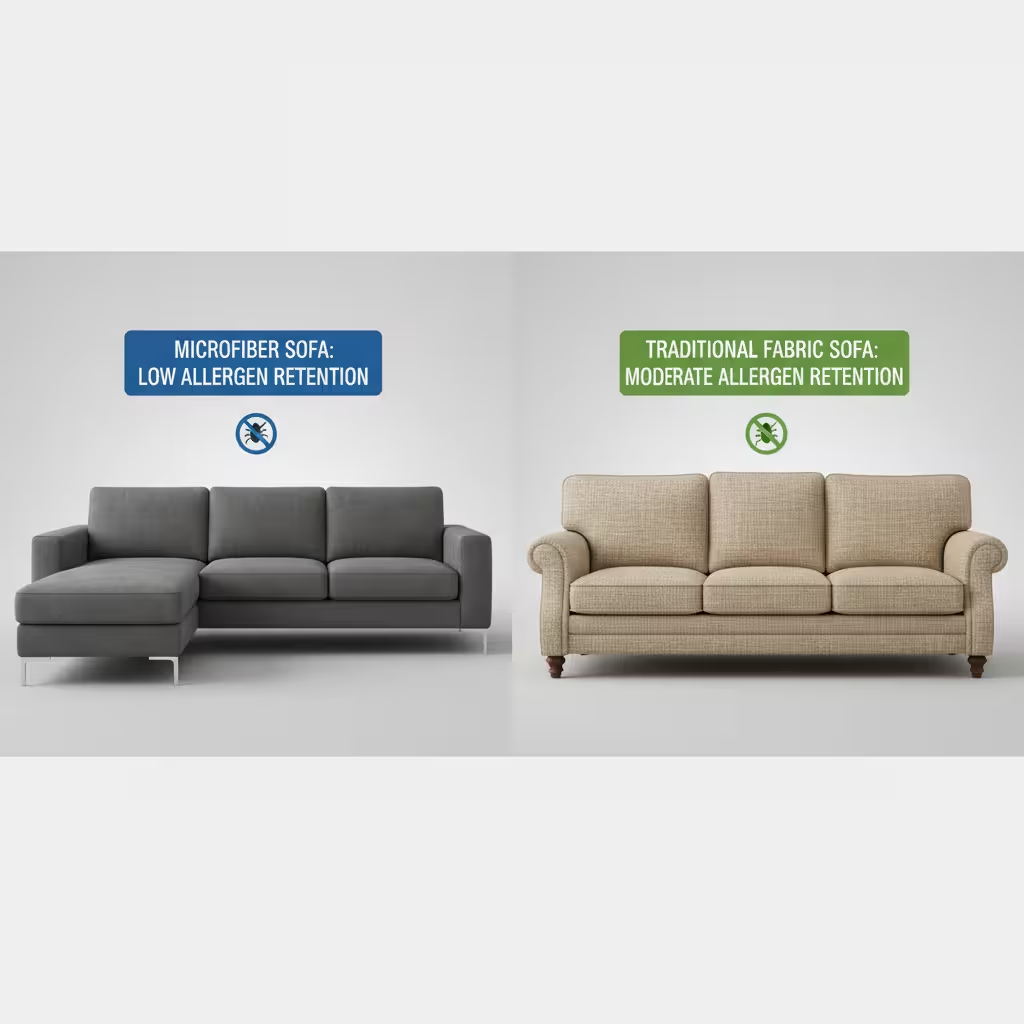
The type of upholstery on your sofa plays a significant role in how many allergens it harbors. While cozy, certain materials are more problematic than others. When comparing a Microfiber vs Fabric sofa, microfiber often comes out on top for allergy sufferers. Its tightly woven fibers make it difficult for dust mites and pet dander to penetrate the surface.
In contrast, natural fabrics with looser weaves, like cotton or wool, can become havens for allergens. They easily trap dust, pollen, and dander deep within their fibers, making them potent dust allergy triggers in the living room. If you have a fabric sofa and suffer from persistent sofa allergy symptoms, the material itself could be a major part of the problem. While you may not be able to change your sofa immediately, a professional anti-allergen sofa treatment UAE can make a significant difference.
7. Sofa Allergy Symptoms Subside When You Are Away From Home
Perhaps the most definitive sign is how you feel when you’re not at home. If your constant sneezing, itchy eyes, and skin rashes mysteriously disappear when you’re at work, on vacation, or even just spending time in other parts of your house, it strongly points to an environmental trigger in your living room.
Pay close attention to your body. If your sofa allergy symptoms consistently flare up within an hour of settling on the couch and then fade when you leave, you have your answer. This simple test helps you isolate the source of the problem. These location-specific reactions are a classic sign that your immediate environment is filled with dust allergy triggers in the living room, with the sofa being the prime suspect. This is where a targeted anti-allergen sofa treatment UAE service becomes essential.
Taking Control of Your Living Space with Professional Help
Recognizing that your sofa is the source of your allergies is the first step. The next is taking decisive action. While regular vacuuming and using hypoallergenic cleaning agents can help with surface-level dust, they cannot eliminate the deeply embedded allergens that cause severe sofa allergy symptoms. This is especially true for dust mites, mold, and bacteria.
For residents of Sharjah and Ajman, achieving a truly clean and allergen-free sofa requires professional intervention. A dedicated service for mattress and sofa sanitizing uses specialized equipment and techniques to penetrate deep into the upholstery.
Fix & Bright is your trusted local partner for creating a healthier home environment. We offer a comprehensive anti-allergen sofa treatment in the UAE designed to eradicate the root causes of your allergies. Our advanced, eco-friendly methods safely remove dust mites, pet dander, mold spores, and other contaminants without using harsh chemicals. We understand the specific challenges of this region, from humidity contributing to mold to the fine dust that settles everywhere. Our expertise in handling various upholstery types, from delicate fabrics to microfiber, ensures a safe and effective clean every time.
Don’t let your sofa dictate your health. If you are tired of dealing with constant sofa allergy symptoms and the endless cycle of dust allergy triggers in the living room, it’s time for a professional solution.
Ready to breathe easier in your own home? Contact Fix & Bright today for a consultation in Sharjah or Ajman and discover the difference our professional anti-allergen sofa treatment can make!
Frequently Asked Questions (FAQs)
1. How often should I have my sofa professionally cleaned for allergies?
For households with allergy sufferers, pets, or smokers, it’s recommended to get a professional deep clean every 6 to 12 months. This frequency helps manage the buildup of allergens and prevents severe sofa allergy symptoms.
2. Can I be allergic to the sofa material itself?
Yes, though less common. Some people may have a sensitivity or allergy to the dyes, chemicals (like formaldehyde), or flame retardants used in manufacturing. However, most sofa allergy symptoms are caused by allergens trapped within the fabric, not the fabric itself.
3. Will an air purifier help with my sofa allergy symptoms?
An air purifier with a HEPA filter can be very effective at capturing airborne allergens like dust, dander, and pollen, reducing overall dust allergy triggers in the living room. However, it won’t remove the allergens already embedded deep within your sofa’s upholstery.
4. What is the difference between cleaning and sanitizing a sofa?
Standard cleaning removes visible dirt and stains. Sanitizing, often part of an anti-allergen sofa treatment UAE service, uses heat or specialized hypoallergenic cleaning agents to kill bacteria, viruses, dust mites, and mold spores, addressing the microscopic causes of allergies.
5. Are there hypoallergenic sofas available?
Yes, sofas upholstered in leather, pleather, or tightly woven materials like microfiber are considered more hypoallergenic. Their surfaces are less permeable, making it harder for allergens to accumulate. The choice between a Microfiber vs Fabric sofa can be a key decision for allergy-prone individuals.
6. Do sofa covers help with allergies?
Allergen-proof sofa covers can be an excellent barrier. They encase the cushions and prevent dust mites and other allergens from escaping. For best results, they should be washed in hot water weekly.
7. Can pet dander on my sofa cause allergies even if I’m not allergic to my pet?
Pet dander is very sticky and can trap other allergens like pollen and dust. So, even if you are not allergic to your pet, the dander on the sofa can act as a vehicle for other allergens, leading to sofa allergy symptoms.
8. Is steam cleaning effective for removing allergens from a sofa?
High-temperature steam cleaning is very effective for mattress and sofa sanitizing. The heat kills dust mites, mold, and bacteria on contact. It is a key component of many professional anti-allergen sofa treatment UAE services.
9. How does AC filter contamination affect my sofa allergies?
A dirty or clogged AC filter can no longer effectively trap airborne particles. Instead, it can circulate dust, mold spores, and other allergens throughout your home, which then settle on surfaces like your sofa, exacerbating dust allergy triggers in the living room.
10. What are the most common sofa allergy symptoms to watch out for?
The most common signs include persistent sneezing, a runny or stuffy nose, coughing, postnasal drip, and itchy eyes and skin rashes. If these symptoms worsen when you are near your sofa, it’s a strong indicator that your couch is the source.